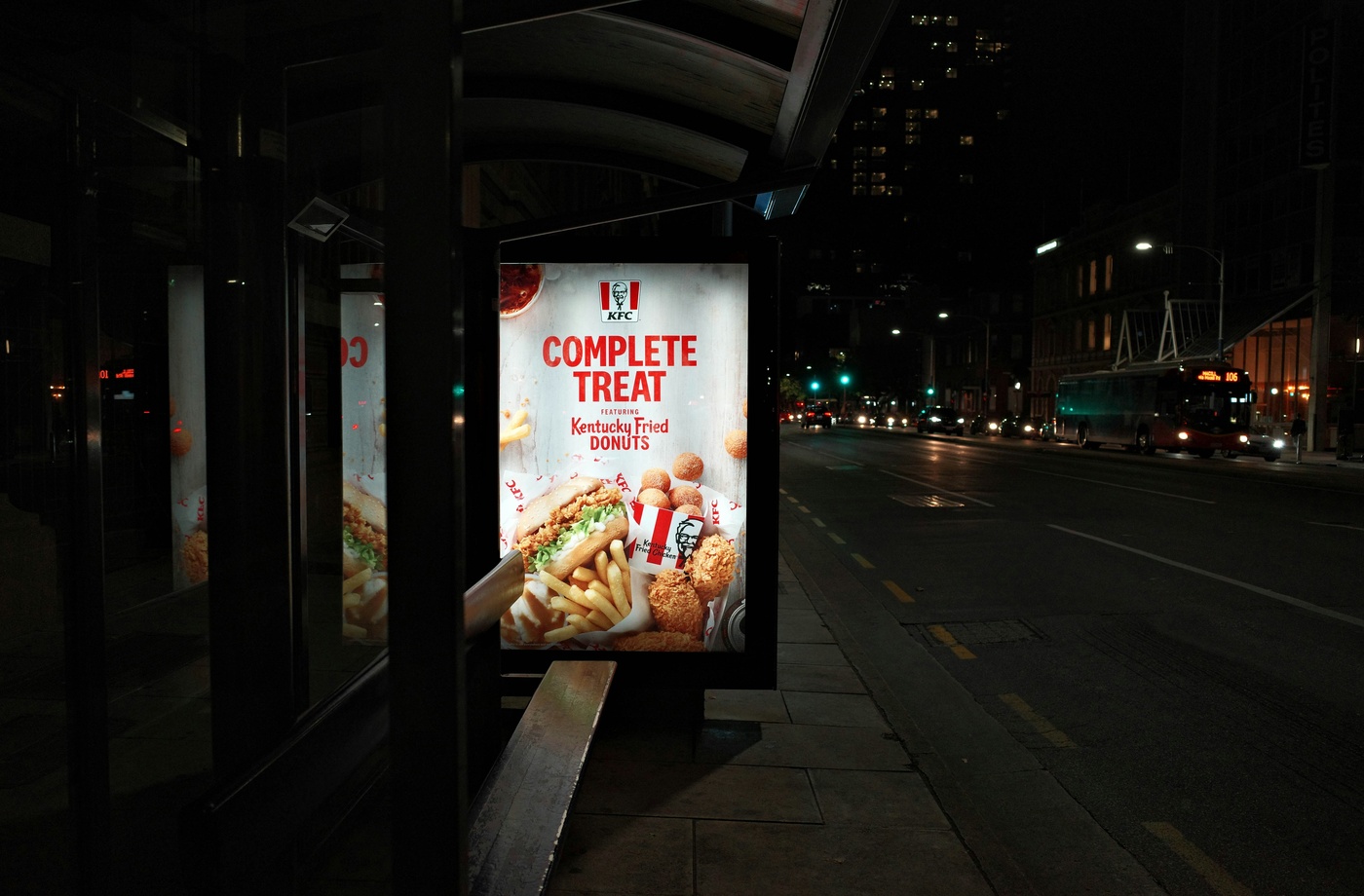
Every great ad starts with a message—and the difference between an ad that gets ignored and one that drives action often comes down to psychology. High-converting ad copy doesn’t just inform—it taps into emotion, urgency, and behavior. If you’re running paid media, understanding the mental triggers behind decision-making is one of the fastest ways to improve performance.
Start with the Power of Loss Aversion
People are wired to avoid loss more strongly than they are to seek gain. This principle, known as loss aversion, suggests your copy may be more effective when highlighting what users could miss out on rather than what they gain. For example, “Don’t miss your bonus credits” often converts better than “Get bonus credits today.” Test both to see which resonates with your audience.
Use Specificity Over Generalization
Vague benefits feel forgettable. Instead of saying, “Save time with our platform,” try, “Save 6 hours a week with our automated reports.” Concrete numbers and specific outcomes create trust and make your message more believable. Platforms like CoSchedule’s Headline Analyzer can help improve clarity and emotional impact.
Mirror the Language Your Customers Use
Great ad copy doesn’t sound like marketing—it sounds like the customer. Use reviews, support chats, and search queries to identify the actual words people use to describe your product or problem. Then, reflect that same language in your copy to build familiarity and relevance. Tools like AnswerThePublic and Reddit threads can be excellent sources of raw voice-of-customer data.
Appeal to Social Proof and Authority
Psychologically, people look to others when making uncertain decisions. Including stats, testimonials, or “as featured in” references in your ad copy gives users a reason to trust your brand. This principle of social proof is especially powerful in retargeting ads and high-ticket offers. Citing a credible source or stat from Statista or Nielsen can help increase believability.
Build Urgency and Scarcity—But Keep It Real
A limited-time offer or low-inventory alert can trigger FOMO (fear of missing out). That said, overusing countdown timers or fake urgency tactics can backfire. Instead, anchor urgency in real timelines (“Only 3 days left for holiday shipping”) and rotate offers periodically to keep urgency fresh.
Tap Into Reciprocity with Value-First Offers
Consumers are more likely to engage when they feel like they’re getting value upfront. This could be a free guide, discount code, or no-risk trial. The principle of reciprocity suggests that when someone receives something useful, they’re more likely to take action in return. This strategy works especially well in lead generation campaigns.
Pair Smart Copy with a Frictionless Experience
Even the best ad copy won’t convert if your landing page isn’t aligned or loads too slowly. Use platforms like Unbounce or Webflow to create fast, mobile-friendly pages with messaging that matches your ad tone and CTA. Message match is essential to maintain psychological consistency and reduce bounce rate.
Final Thought
Ad copy that converts isn’t just clever—it’s grounded in how people think, feel, and act. By applying basic psychological principles like loss aversion, specificity, and social proof, you can write copy that not only captures attention but drives results. And when paired with fast-loading landing pages and intentional design, you create a seamless experience from ad to action.